AI to SI: The Next Digital Revolution Is Closer Than You Think
A few years ago, asking a computer to write a client proposal, fix a bug, or summarise a 40-page report sounded like science fiction. Today most of us do at least one of those before lunch. The jump happened quietly, and a lot of people only noticed once it was already part of their job.
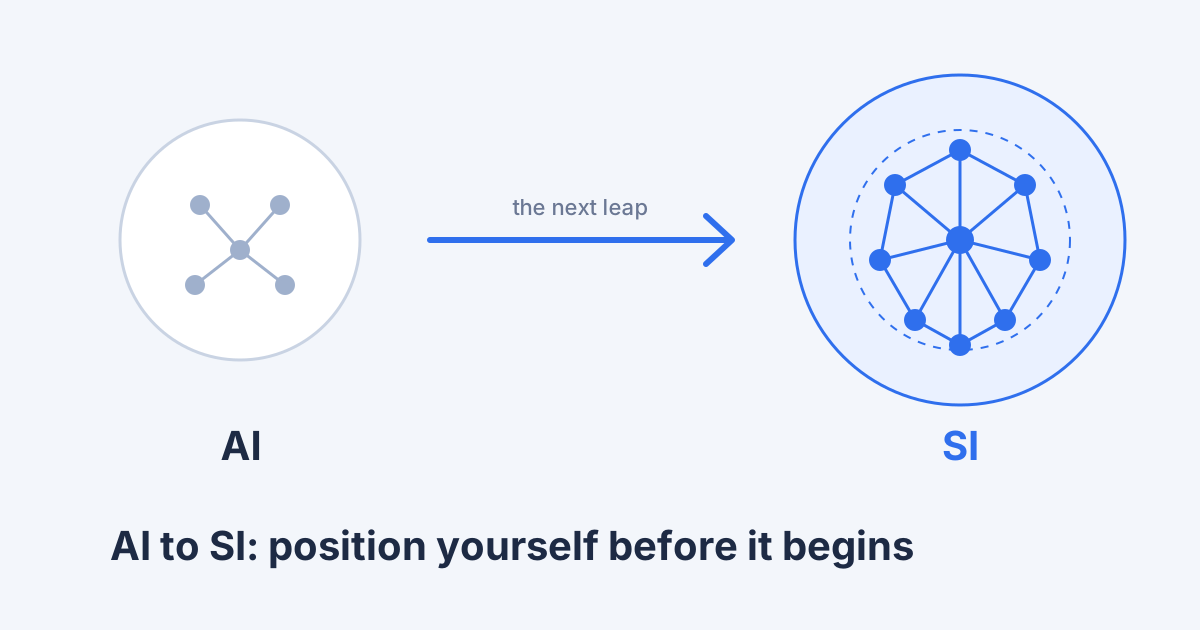
The next jump is bigger. The conversation in tech has moved from artificial intelligence (AI) to something beyond it: superintelligence (SI). Nobody knows exactly when it arrives, or what it will look like. But the people who do well in every technology shift tend to have one thing in common. They got ready before it was obvious. This guide is about how to be one of them.
What's the difference between AI and SI
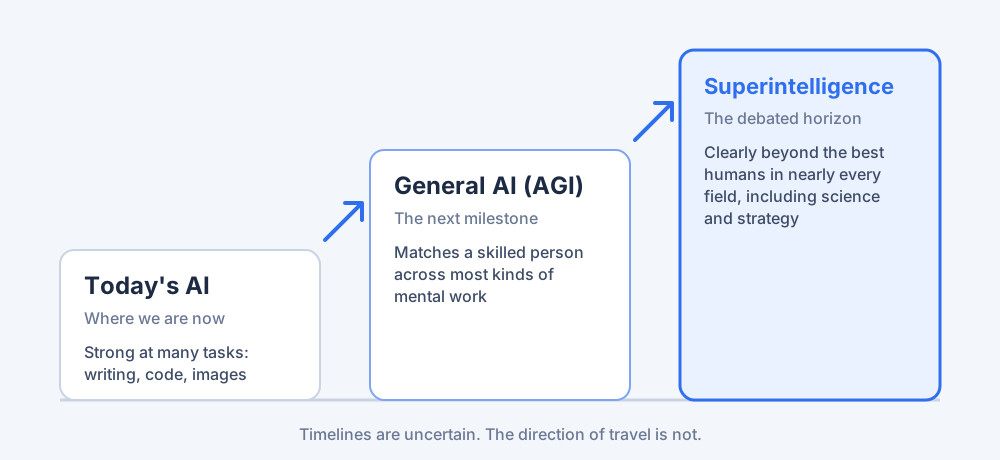
It helps to think of it as three stages rather than one big leap.
Today's AI is very good at a wide range of tasks: writing, coding, designing images, answering questions, analysing data. But it still needs a person to point it in the right direction, check its work, and decide what matters.
General AI, often called AGI, is the next milestone people talk about. It means a system that can handle most kinds of mental work about as well as a skilled professional, and switch between them without being rebuilt for each one.
Superintelligence goes further. It describes AI that is clearly better than the best humans in nearly every field, including scientific research, planning, and strategy. At that point the question stops being "can AI do this task?" and becomes "what should we ask it to do, and how do we make sure it's done safely?"
Why the shift feels close
Let's be honest about the uncertainty first. Some leaders at AI labs have said they expect very capable systems within the next decade. Plenty of researchers think that's optimistic and that big obstacles remain. Treat anyone who gives you an exact date with caution, in either direction.
What's harder to argue with is the trend you can see for yourself:
Each new generation of models handles tasks the last one struggled with, and the gap between releases keeps shrinking. AI has moved from answering questions to taking actions: browsing, writing and running code, filling in forms, and working through multi-step jobs on its own. The cost of using it keeps falling, which means small businesses and freelancers get the same tools as large companies. And money, talent, and computing power are pouring into this field at a scale few technologies have ever seen.
You don't need to believe superintelligence is two years away to act on that. You only need to accept that the tools you use next year will be noticeably more capable than the ones you use today, and that this will keep happening.
How to position yourself before the SI era
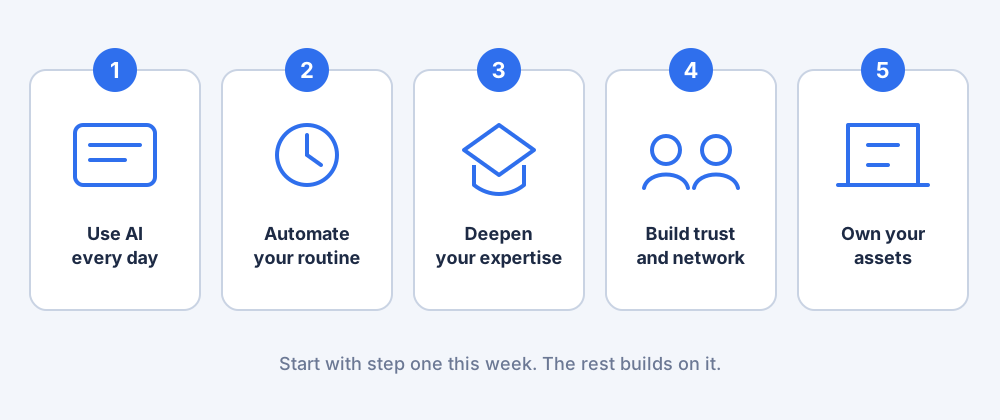
- Use AI every day, for real work. Not just for fun prompts. Use it for your emails, your research, your planning, your code. You learn what it's good at, where it fails, and how to get better results, and that intuition is what lets you move fast when the next, stronger tool arrives.
- Automate the boring parts of your routine. Look at your week and list the tasks you repeat: reports, follow-ups, data entry, formatting. Hand those to AI tools or simple automations. The time you win back is time you can spend on work that actually needs you.
- Go deeper in your field, not just wider. AI makes general knowledge cheap. Deep expertise, real experience, and good judgment become more valuable, because they're what you need to tell a good AI answer from a confident wrong one. A developer who understands architecture, a doctor who understands patients, a marketer who understands a specific market: these people get more leverage from AI, not less.
- Build trust and relationships. When anyone can produce polished content in seconds, people pay more attention to who they trust. Your reputation, your network, and clients who know you deliver are assets that no model can generate for you.
- Own your assets. A website, a product, a tool, an audience, a body of work with your name on it. Renting your hours is the easiest thing for automation to replace. Owning something that keeps working while you sleep is the opposite.
You don't need to do all five this month. Start with the first one this week. Most of the others grow naturally once AI is part of how you work every day.
Waiting or positioning early?
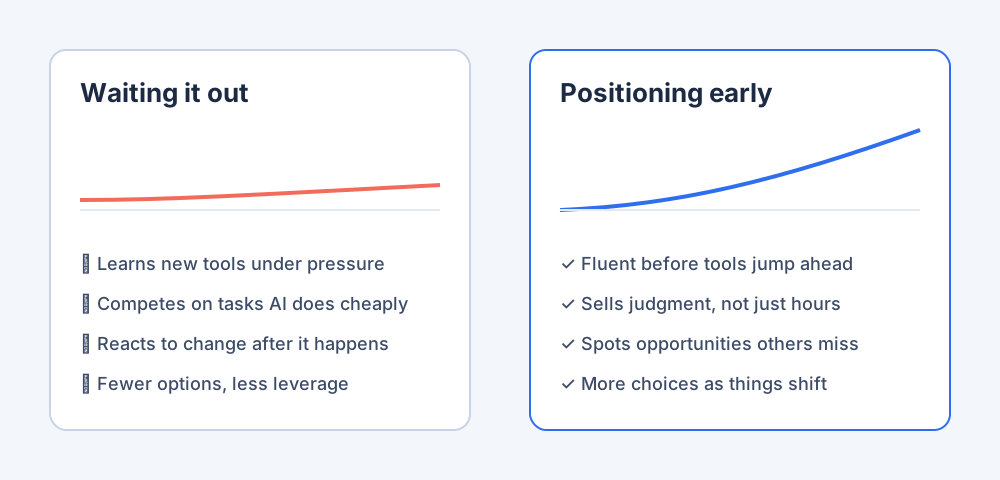
Both groups will end up using these tools eventually. The difference is when, and under what conditions.
People who wait it out tend to learn new tools under pressure, usually when a client asks for it or a competitor is suddenly faster and cheaper. They often find themselves competing on exactly the tasks AI now does well, which means competing on price.
People who position early are already comfortable when the tools take a leap forward. They sell their judgment and results rather than hours, and they spot new opportunities first because they understand what the technology can and can't do. Every major shift, from the internet to smartphones, has rewarded this group the most.
A simple rule of thumb: if a task can be fully described in a set of instructions, expect AI to handle it soon. Put your energy into the parts of your work that need taste, trust, and responsibility.
Don't wait for it to arrive
The SI era won't start with an announcement. It will feel like a series of updates that each seem a little too good, until one day the way we work looks completely different. By then, the people who prepared will already be ahead.
None of this means you should panic or chase every new tool that launches. It also doesn't mean believing every bold prediction. Superintelligence raises serious questions about safety, jobs, and control, and those deserve real attention from all of us. But staying curious and staying hands-on costs very little, and it keeps your options open whatever happens next.
The next digital revolution is closer than it looks. Start positioning yourself today, while it's still early.
Related articles
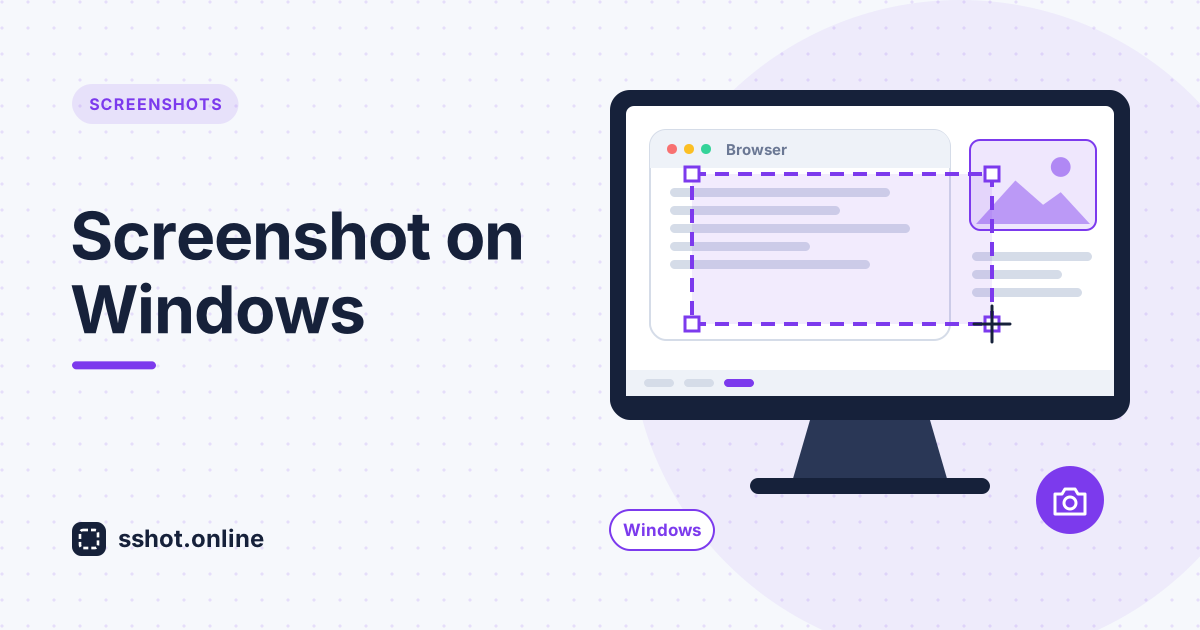
How to Take a Screenshot on Windows
Learn the easiest ways to capture your screen on Windows, including keyboard shortcuts and built-in screenshot tools.
Read More →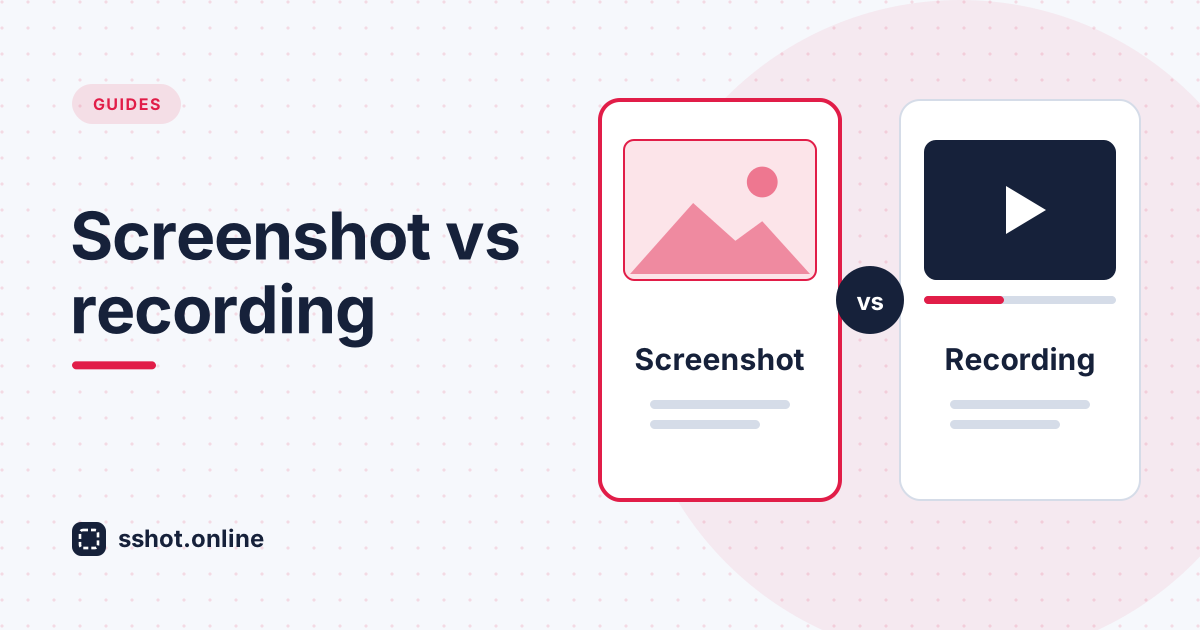
Screenshot vs Screen Recording: Which Should You Use?
Understand when a screenshot is enough and when recording your screen is a better choice.
Read More →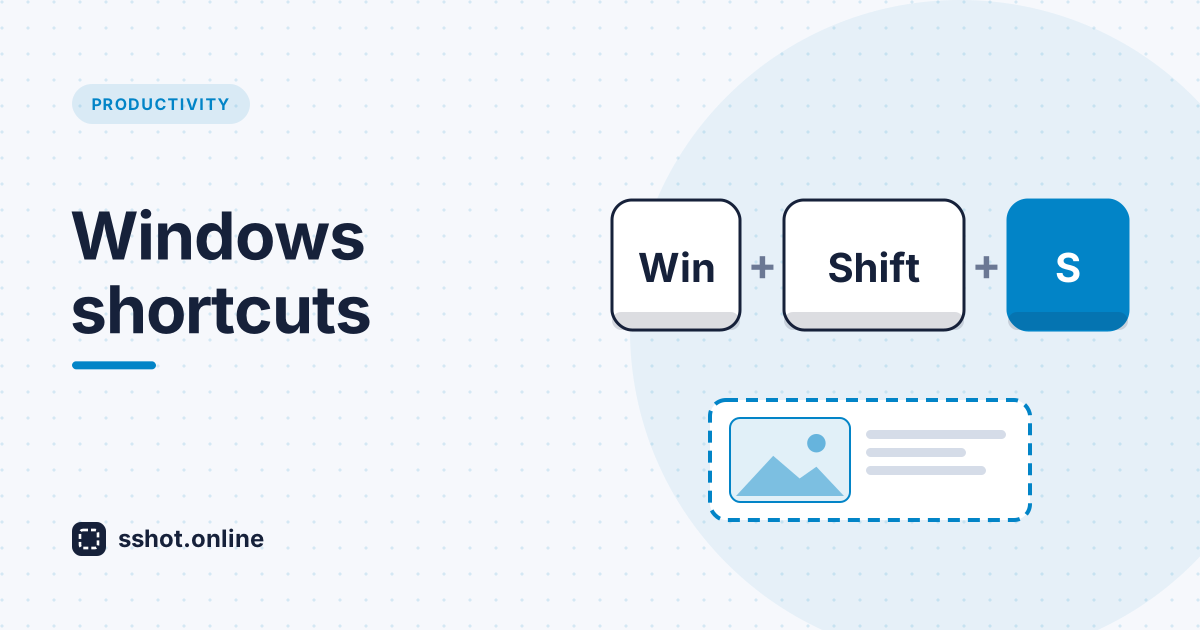
Useful Screenshot Shortcuts for Windows
A quick reference to useful Windows screenshot shortcuts that can save time when capturing your screen.
Read More →